

Walk through most offices around 3 p.m., and you will see a familiar scene. Energy dips. Focus fades. Coffee cups stack up. Small mistakes start slipping through.
Most leaders chalk this up to a normal part of the workday. The afternoon slump feels inevitable. So, they look for solutions in new workflow tools, better project management systems, or morale boosters.
What often goes unnoticed is something far more basic: hydration.
Even mild dehydration can affect concentration, energy levels, and overall cognitive performance. When employees are not drinking enough water during the day, productivity can decline. It may not be a motivation issue at all. In many cases, it is simply an access issue.
What Dehydration Really Does to Workplace Performance
Hydration directly affects how both the brain and body function. Even small drops in fluid levels can impact mental clarity and stamina.
The cognitive impact
Research shows that mild dehydration can interfere with attention, memory, and reaction time. When the brain does not receive adequate hydration, employees may experience:
- Slower processing speeds
- Difficulty concentrating
- Reduced short-term memory
- Increased mental fatigue
In a workplace setting, that translates to slower task completion, more frequent errors, and less confident decision-making.
The effects are often subtle. Employees may not feel seriously dehydrated. They may just feel slightly off. Over time, that small decline in focus adds up.
The physical impact
Dehydration doesn’t stop at cognitive performance. It can also contribute to:
- Headaches
- Fatigue
- Irritability
- Muscle cramps
- Reduced stamina
A single headache can derail an afternoon. Ongoing fatigue limits engagement. When people feel physically uncomfortable, their output naturally suffers.
The coffee misconception
In many offices, coffee becomes the default solution for low energy. While caffeine can provide a short-term boost, it does not replace proper hydration. If water intake stays low, relying heavily on caffeinated beverages can make the cycle worse.
Three or four cups of coffee may temporarily mask fatigue, but without consistent water intake, energy spikes are often followed by crashes.
If hydration plays such an important role, why are so many employees not drinking enough water at work?

The Real Barrier: Convenience and Access
Most employees know that drinking water matters. Awareness is rarely the problem. Accessibility is.
If water is inconvenient, unappealing, or unreliable, people will naturally consume less of it.
Accessibility drives habits
Think about a typical office water setup. The dispenser may sit in a breakroom down the hall. It may only offer cold water. It may run out at inconvenient times. The taste may be inconsistent.
Each small inconvenience reduces usage. Someone skips a refill because they are rushing to a meeting. Another chooses coffee because it is closer. A third avoids the dispenser because the bottle is empty.
Small friction points shape long-term habits.
The limitations of traditional bottled systems
Many offices rely on five-gallon bottled water coolers. While familiar, they create challenges:
- Bottles run out unexpectedly
- Someone must monitor inventory and reorder
- Heavy bottles require lifting and storage
- Empty plastic jugs accumulate
- Access feels limited to a single location
There is also a subtle psychological factor. When employees see a finite supply of large water bottles, they may unconsciously ration their use. No one wants to be the person who empties the last jug.
Over time, inconsistent availability discourages regular hydration.
Perception matters
The breakroom environment sends a message. An outdated, bulky water cooler surrounded by stacked plastic jugs does not invite frequent use.
A clean, modern hydration station signals care and attention to employee well-being. The physical environment influences behavior more than most policies ever will.
Improve access, and habits tend to follow.
How Better Water Access Changes Employee Behavior
Upgrading water access is not just about convenience. It is about shaping daily routines in a positive way.
Unlimited, on-demand hydration
Bottleless water systems connect directly to a building’s water line and use advanced filtration to provide continuous access to drinking water.
There are no heavy jugs to replace. No emergency deliveries. No empty dispensers.
When water is consistently available, employees are more likely to refill throughout the day. Regular hydration helps prevent the afternoon slump instead of reacting to it.
Better taste increases consumption
Taste plays a larger role than many realize. If water tastes metallic or slightly off, people avoid it.
Modern filtration systems improve taste and remove impurities. When water tastes clean and fresh, employees naturally drink more of it.
That simple change can increase daily water intake across the entire team.
Temperature and convenience options
Many bottleless systems offer multiple temperature settings such as cold, ambient, and hot. Some provide sparkling options. Touchless dispensing features also improve hygiene and ease of use.
These features make water the easier choice. Employees can refill reusable bottles quickly between meetings or grab hot water for tea without using another appliance.
Convenience supports consistency.
Strategic placement
Location matters. Placing hydration stations in visible, high-traffic areas increases usage.
When employees pass a water station multiple times per day, it serves as a subtle reminder. Small environmental cues can drive healthier behavior without formal programs or reminders.

The Business Case for Workplace Hydration
For leadership teams, the question becomes practical. Does improving hydration make business sense?
The answer goes beyond wellness.
More consistent focus
Proper hydration reduces the likelihood of headaches, brain fog, and mid-afternoon crashes.
When focus is steady, work quality improves. Tasks are completed more accurately. Meetings move more efficiently. Decisions are clearer.
Across an entire organization, even small improvements compound over time.
Fewer minor disruptions
Hydration alone will not eliminate sick days. However, it does support overall physical well-being. Employees who stay hydrated may experience fewer dehydration-related headaches and fatigue episodes.
Even modest reductions in discomfort-related downtime can positively affect overall output.
Morale and workplace experience
Modern workplaces compete for talent. The physical environment plays a role in how employees feel about where they work.
A clean, bottleless water system reflects attention to detail and employee care. It complements broader wellness efforts without requiring additional programming or management.
Sometimes simple upgrades carry more weight than complex initiatives.
Cost predictability
Traditional bottled water systems often include:
- Recurring delivery fees
- Storage space for full and empty bottles
- Emergency reorders
- Ongoing plastic disposal
Bottleless systems eliminate bottle deliveries entirely. With direct water connections and built-in filtration, costs become more predictable and logistical challenges decrease.
Facilities teams also reclaim valuable storage space previously used for stacked jugs.
Sustainability and Corporate Responsibility
Environmental responsibility matters to both employees and clients.
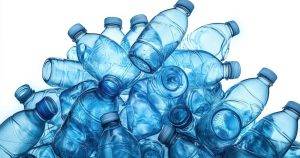
Single-use plastic bottles and large water jugs contribute to plastic waste. Delivery trucks increase fuel consumption. Storage areas fill with empty containers.
Bottleless systems significantly reduce plastic use. They eliminate repeated transportation of heavy bottles and encourage employees to use reusable containers.
For organizations with sustainability goals, upgrading water access supports broader environmental initiatives in a measurable way.
It aligns employee wellbeing with responsible resource management.
Signs Your Office May Have a Hydration Problem
Not sure whether hydration is affecting your workplace? Consider these indicators:
- Employees frequently mention headaches or fatigue
- Coffee consumption far exceeds water consumption
- Bottled water runs out before scheduled delivery
- Empty jugs pile up in storage areas
- Employees bring their own water because they dislike the office supply
- Breakroom water stations appear outdated or poorly maintained
If any of these sound familiar, hydration may be quietly influencing performance.
What to Look for in a Bottleless Water System
If you are considering an upgrade, focus on reliability and usability.
Look for:
- Multi-stage filtration that improves taste and purity
- Capacity aligned with your team size
- Hygienic dispensing options
- Professional installation and ongoing service support
- Energy-efficient operation
- Flexible placement options
The goal is dependable, appealing access to water throughout the workday. A well-designed system should require minimal oversight while delivering consistent results.
A Small Upgrade with Measurable Impact
Organizations invest heavily in software, training, and workspace redesign to improve productivity. Those efforts matter. Yet performance challenges sometimes stem from overlooked basics.
Hydration is one of them.
When employees have easy access to clean, great-tasting water, they are more likely to stay focused, energized, and comfortable throughout the day.
Upgrading to a bottleless water system is not simply a facilities decision. It supports productivity, morale, cost control, and sustainability all at once.
Productivity gains don’t always require major change. Sometimes they begin with small, practical improvements.
About WCC
For nearly 50 years, WCC Business Solutions has been helping Tampa Bay businesses work smarter. From print and imaging to VoIP phone systems and video conferencing technology, we offer a full spectrum of solutions to support your team and streamline your operations.

Gordy Link is a leader in the office technology industry as the President and CEO of WCC Business Solutions. He is known for his commitment to customer-centricity and leveraging innovative training and development initiatives to deliver high-quality technology solutions. Outside of the office, Gordy enjoys spending time with wife and daughter, and indulging in his passion for the outdoors.
